





How We Help
Nano Health Suite builds solutions for better, more innovative and unified healthcare
that can help healthcare providers achieve better care by empowering people to make
better decisions.
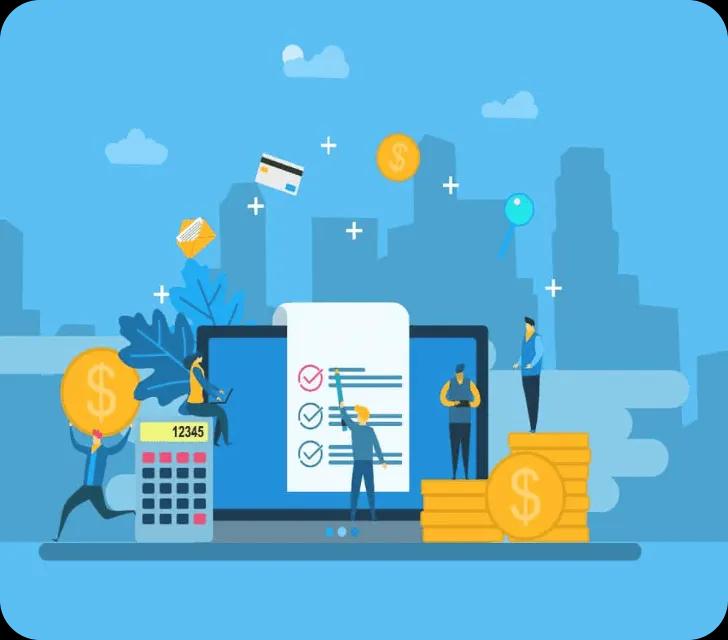
Bring Down Costs
Discover IT solutions that support operational decisions for optimized care methodologies. A platform-based practice that delivers holistic decision support.
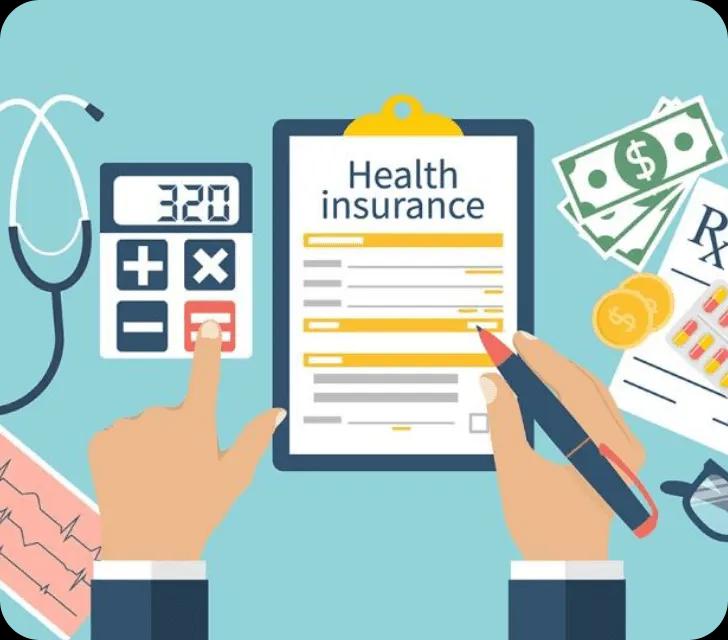
Improve Care
Open new markets, onboard new partners, improve efficiency, and strengthen acquisition and retention. Give your clients a flexible interface.
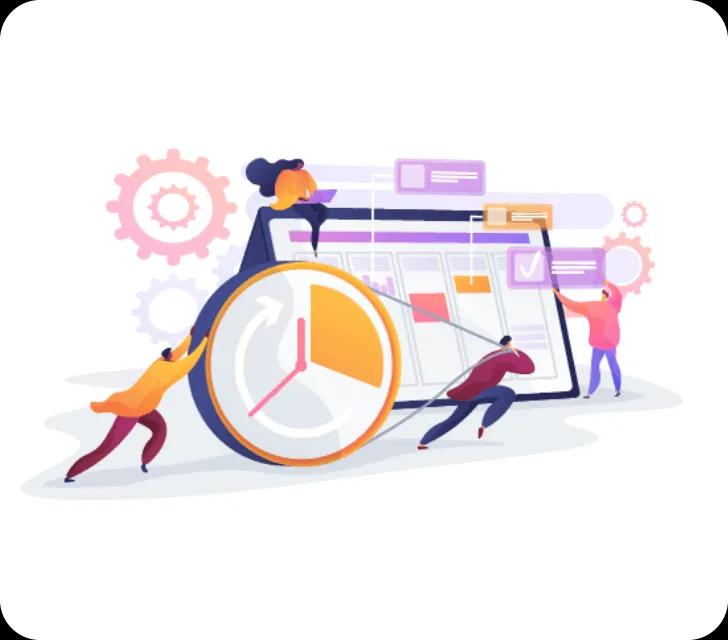
Optimize Workflows
Optimising care workflows in healthcare delivery organisations helps maximise return on investment by removing waste and using resources well.
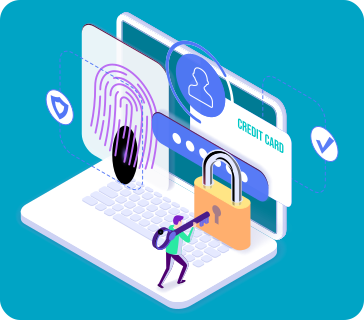
Manage & Secure Data
We help our clients manage, protect and use healthcare data to achieve operational improvement, optimised revenue and better patient outcomes.

Increase Engagement
Deliver better experiences with intelligent patient engagement. Nano Health engagement solutions combine decades of healthcare expertise with technology.

Redefine Experience
Learn how we boosted throughput and improved patient-centered care through advanced systems and artificial intelligence applications. For better healthcare!
Patient-Centric Healthcare Solutions
Our primary objective is to drive the healthcare delivery practices towards patient-centric care.


Nano Health Suite -
Our Commitment
More about this product
How this works with the rest of the suite
- NANO RCM
Cost and workflow meet in the revenue cycle, which is where most avoidable spend in a provider actually sits.
- NANO HUB
Improving care across organisations depends on the transactions between them moving in a standard form.
- NANO AI CDI 360
Documentation integrity is upstream of almost everything else here — the record is what the rest reasons over.
- NANO DDI
Each of the four outcomes is measured from the same analytical layer, which is what keeps them comparable.
Frequently asked questions
What are the four outcomes?
- Bringing down costs, improving care, optimising workflows, and managing and securing data. They are grouped this way because they are what an executive is held to, not because they map to product families — several products contribute to more than one.
Are these separate programmes?
- No, and treating them as separate is the common failure. Cost comes down mainly by removing rework, which is a workflow change; care improves mainly through better information, which is a data change. Running them as four projects produces four sets of overlapping work.
Where does a typical engagement start?
- Wherever the pain is already measured. An organisation that knows its claim rejection rate starts with cost; one that knows its documentation backlog starts with care. Starting where a number already exists means the before-and-after is not an argument.
Is this for providers or payers?
- Both. The outcomes are shared even where the incentives differ, and several of the capabilities exist precisely because provider and payer see the same transaction from two sides.
What does "platform-based decision support" mean?
- That the support comes from one data foundation rather than from a tool bolted onto each department. The practical difference is that a decision made in billing and a decision made at the bedside are reading the same record.